
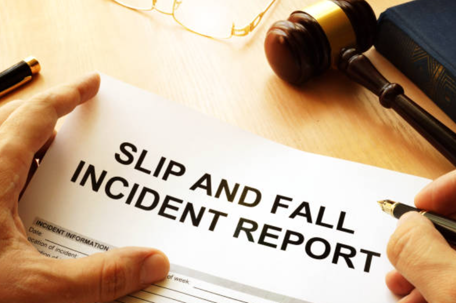
A slip and fall incident can disrupt your life in an instant, creating serious pain and confusion about who may be at fault. In Chattanooga, questions about slip and fall liability arise every day for residents, visitors, and property owners. Tennessee law has specific requirements for how property owners must keep their spaces safe. When those obligations are not met, injured individuals often wonder: Am I entitled to compensation? At Speek, Turner & Newkirk PLLC, we draw on decades of direct legal experience to walk you through exactly what you need to consider in the aftermath of these accidents—because detailed local guidance leads to better decisions.
What Establishes Slip & Fall Liability for Chattanooga Property Owners?
Property owners in Chattanooga are legally responsible for maintaining reasonably safe premises for guests, tenants, & customers. Tennessee law distinguishes between different categories of visitors: invitees (such as store customers), licensees (like social guests), & trespassers. Owners owe the highest duty of care to invitees, which means they must regularly inspect for hazards, fix dangerous conditions promptly, & clearly warn of any dangers that aren’t obvious. If a property owner fails these duties—by neglecting spills, ignoring broken steps, or not placing adequate signage—they may be held liable for injuries that result.
The type of property matters as well. Owners of retail spaces, restaurants, & hotels in busy districts like downtown Chattanooga must meet high standards for regular cleaning & safety inspections. Residential landlords must keep common areas—such as stairwells, lobbies, & hallways—free from known dangers; however, tenants may be responsible for conditions inside their rented units. Public spaces, including parks or museums, are sometimes protected by government immunity, but exceptions exist if gross negligence is involved. Each setting has its own nuances, but the central question remains: Did the owner act as a reasonably careful person would in similar circumstances?
Assessing liability involves investigating whether the property owner had actual or constructive notice of the hazard. Courts weigh how long a dangerous condition existed, any history of previous incidents, & the practicality of correcting issues quickly. In Chattanooga, details like inconsistent maintenance logs, failure to address repeated complaints, or lack of visible warning signs can tip the scales. If you’re uncertain about an owner’s legal duty, consulting a firm with deep knowledge of local codes & state law brings you clarity.
How Does Tennessee Assign Fault in Slip & Fall Cases?
Fault in Tennessee slip and fall cases is determined by the state’s modified comparative fault rule. This law allows you to pursue damages as long as you are less than 50% responsible for the accident. However, your compensation will be reduced by your percentage of fault. For example, if a jury finds that you are 30% responsible because you were distracted at the time of the fall, your damages award would be reduced by 30%. This approach encourages a careful assessment of every party’s actions leading up to the fall.
Common scenarios in Chattanooga highlight how fault gets shared. A shopper who slips on a spilled drink in a supermarket aisle may be partly blamed if there were warning cones nearby, while the store may hold the larger share of fault if surveillance shows staff failed to clean up for hours. In residential settings, a landlord might be liable for an icy walkway, but a tenant who ignored a clear warning or wore shoes with no traction might share in the responsibility.
Comparative fault impacts settlement negotiations and court awards. To protect your interests, gather evidence that minimizes your level of responsibility. For instance, show that hazards were unmarked, that you behaved as any reasonable person would, or that the property owner had previous notice of the problem. Fault is rarely clear-cut in these cases—which is why strong documentation and legal counsel tailored to Tennessee law matter.
What Evidence Helps Prove Slip & Fall Liability in Chattanooga?
Your success in a slip and fall case often hinges on the quality of evidence you provide. The more thoroughly you document your accident and injuries, the stronger your claim. Immediately after the fall, use your smartphone to capture the hazard, the surrounding area, any warning signs (or lack thereof), and the general condition of the site. This evidence becomes extremely valuable, especially since property managers or staff may quickly address hazards after an incident occurs.
Eyewitness statements significantly strengthen your case. Speak with anyone who saw the accident or who arrived immediately afterward. Be sure to collect names, statements about what they saw, & contact information. Sometimes, maintenance workers or employees may provide critical testimony about how long the hazard existed or about similar prior incidents. If you filed an incident report with a business or landlord, request a copy. Internal reports, maintenance records, & CCTV footage can all tip the liability scale.
Thorough medical records play a key role in linking your injuries to the accident. After receiving treatment, save visit notes, bills, & any recommendations for follow-up care. Track any missed workdays, additional expenses, or ongoing treatments. Organizing this information chronologically will help your legal team build the strongest argument and shorten settlement times.
Are Chattanooga Landlords Liable for Falls in Apartments & Rentals?
Landlord liability in slip & fall cases often centers on control and notice. Generally, landlords are responsible for keeping common areas—like parking lots, stairways, & hallways—reasonably safe. For hazards that occur within a tenant’s rented unit, the question becomes whether the landlord had notice of the danger or retained responsibility for repairs under the lease. If a handrail in a shared stairwell breaks and the landlord does not fix it despite being notified, liability is likely to attach.
The lease agreement outlines which party handles specific maintenance tasks. Many leases make tenants responsible for keeping their own living areas free of hazards, while landlords must address structural or shared space issues. When a hazard is reported—such as a loose tile in the lobby or persistent ice near entryways—the clock starts running for the landlord to act. Documenting when and how the landlord was notified is crucial; emails, texts, and written requests all support your case.
Buildings with a history of neglected repairs or repeated tenant complaints run higher risks of liability. Chattanooga’s older apartments may face issues with outdated lighting, uneven stairs, or damaged walkways. If injured, keep a timeline of your communications and any prior requests for repairs. If you’re a landlord or property manager, documenting every repair order, inspection, and written response provides a strong defense in case of disputes.
How Do Insurance Companies Handle Slip & Fall Claims in Chattanooga?
When you file a slip and fall claim, expect the property owner’s insurance company to launch a detailed investigation. Adjusters are trained to limit payouts and will examine the facts closely. They may request statements, review video footage, analyze your medical records, or even check your social media posts for inconsistencies. Initial settlement offers often come quickly but may not reflect the full value of your losses—especially if long-term medical care will be needed.
Insurers in Tennessee frequently challenge claims by arguing that hazards were obvious, that you received warning, or that your injuries were not as serious as reported. They may also assert that the property owner acted in a “reasonable” timeframe to address the danger. For example, in a Chattanooga grocery store, an insurer might point to a freshly mopped floor sign or a maintenance log as evidence of required care. However, inconsistencies between what’s documented and what’s reported on the scene can open doors for dispute.
To protect your claim, avoid giving a recorded statement or signing paperwork without first reviewing it with your attorney. Keep communication concise and factual. Compile all medical bills, incident reports, and witness statements before entering negotiations. Strong documentation and the support of a knowledgeable legal team generally lead to fairer resolutions—especially in regions where property insurance coverage and legal precedent shape every review.
Common Property Hazards That Cause Slip & Falls in Chattanooga
Chattanooga’s varied geography and busy commercial corridors create several common hazards. Wet or slippery floors top the list—especially in retail stores and restaurants, where spills may go unaddressed or floor mats are missing. Parking lot potholes, poorly lit stairwells, and unsecured rugs also contribute to frequent fall claims. In residential settings, icy sidewalks or steps become a recurring risk during colder months.
Property owners can face increased liability claims if they neglect timely maintenance. Chattanooga’s historic neighborhoods often feature older buildings that may not meet current safety codes. Uneven pavement, broken tiles, defective handrails, and missing warning signs lead to preventable injuries. On top of these, landscaping features with poor drainage can cause mud or algae to accumulate—resulting in dangerous pathways, especially after rainfall.
To help prevent accidents, property owners should regularly inspect their premises, make repairs promptly, and document all maintenance efforts. After an incident, recording the conditions as you found them helps demonstrate both the risks you encountered and any ongoing neglect. These factors weigh heavily in both settlement negotiations and possible litigation.
Can You Still File a Claim If You’re Partially at Fault for a Slip & Fall?
Tennessee’s comparative fault system was designed for situations where both parties share some responsibility. As long as you are less than 50% at fault for your slip and fall accident, you retain the right to recover damages. For example, you may have fallen while distracted or wearing slick shoes, but if the property hazard was serious and unaddressed, the property owner still holds a large share of the blame.
Insurance companies and property owners will frequently try to prove your share of fault is higher to reduce or eliminate liability. They may cite security footage, eyewitness comments, or claim that common sense should have helped you avoid the hazard. Combatting these arguments starts with clear evidence: show exactly what made the environment dangerous, why the property owner should have addressed it, and how you acted reasonably for the circumstances.
When discussing liability, frame your story around the owner’s failure to warn or fix a recurring hazard—rather than focusing solely on your conduct. Emphasize steps you took to stay safe, any missing warning signs, and other indicators of negligence. Bringing in legal counsel early helps structure your claim to best limit comparative fault deductions.
How Long Do You Have to Act After a Slip & Fall in Chattanooga?
Those injured in a slip and fall accident in Tennessee must file a claim within one year of the date of injury. This is known as Tennessee’s statute of limitations for personal injury. If you wait longer, the courts almost always bar you from pursuing compensation. Timely action preserves your right to collect damages and ensures critical evidence is available.
Quick response is important for several reasons. Property owners may repair hazards, erase video footage, or clean up scenes in the days after your fall. Witnesses can be hard to reach as time passes, and even your own memory of the fall may fade. Immediately after the incident:
- Take photographs of the scene and any visible injuries
- Collect written statements or contact details from witnesses
- Request a copy of any incident report
- Save your clothes and shoes from the day of the fall
Consulting with legal professionals soon after your fall can also help you understand the full value of your losses and strategize about approaching property owners and insurers. At Speek, Turner & Newkirk PLLC, we offer same-day consultations so you can move forward without delay while evidence remains fresh.
What Steps Should You Take Immediately After a Chattanooga Slip & Fall?
Act promptly to set your slip and fall case up for success. First, seek medical attention—even if your injuries seem minor. Injuries can worsen over time, and medical records provide important legal proof of your condition connected to the accident. Next, notify the property owner, manager, or on-site staff in writing about what happened. Get a copy of any incident report created and start your own record of the accident.
Document everything. Take wide and close-up photos of the hazard, note any warning signs or lack thereof, capture the time and conditions, and collect witness information. If possible, ask store employees, security, or bystanders what they saw or what they know about similar incidents in the same area. Save physical evidence, such as clothing or footwear with visible damage. The more comprehensive your documentation, the stronger your claim.
Once your immediate medical needs are addressed, contact an experienced Chattanooga legal team with background in slip and fall liability. At Speek, Turner & Newkirk PLLC, we provide no-cost initial consultations on injury cases, making it simple to get answers about next steps without financial barriers. Bring all your documentation to your first meeting—photos, reports, medical bills, & notes—so your legal advocates can quickly assess your options and begin building your case.
Why Work With a Team-Based Slip & Fall Lawyer in Chattanooga?
Cases involving slip and fall liability can become complicated quickly when property owners, insurers, and third-party contractors may all share some responsibility. At Speek, Turner & Newkirk PLLC, our team-based approach means every injury case gets the attention of multiple experienced attorneys. We collaborate, share insights, and review your evidence from every angle, ensuring no opportunity for strong advocacy is overlooked.
Our accessibility sets us apart. We offer same-day consultations and flexible payment arrangements, plus access to translators for non-English speakers. These services make high-quality legal representation available to more Chattanooga residents and visitors, regardless of their background or financial situation. We understand the pressures that come with legal action after an injury and provide clear support every step of the way.
With over 70 years of combined experience in Chattanooga’s legal system, our team knows the nuances of local premises liability law and community standards. When you reach out to Speek, Turner & Newkirk PLLC at (423) 436-8506, you take the first step toward informed decisions and fair treatment after a slip and fall. Let us guide you with the knowledge and care you deserve as you move toward recovery.